Rooflights vs. Skylights: Discovering the Main Distinctions for Improved Home Design
In the domain of home design, the decision between rooflights and skylights can significantly impact both aesthetics and functionality. Rooflights provide a sleek integration into the roofline, whereas skylights offer protruding features that boost ventilation. Understanding these distinctions is crucial for homeowners aiming to optimize natural light and energy efficiency. Still, the decision entails more than just appearance and light; other factors require consideration. What implications do these choices have on energy performance and budget?
Defining Rooflights: A Comprehensive Overview
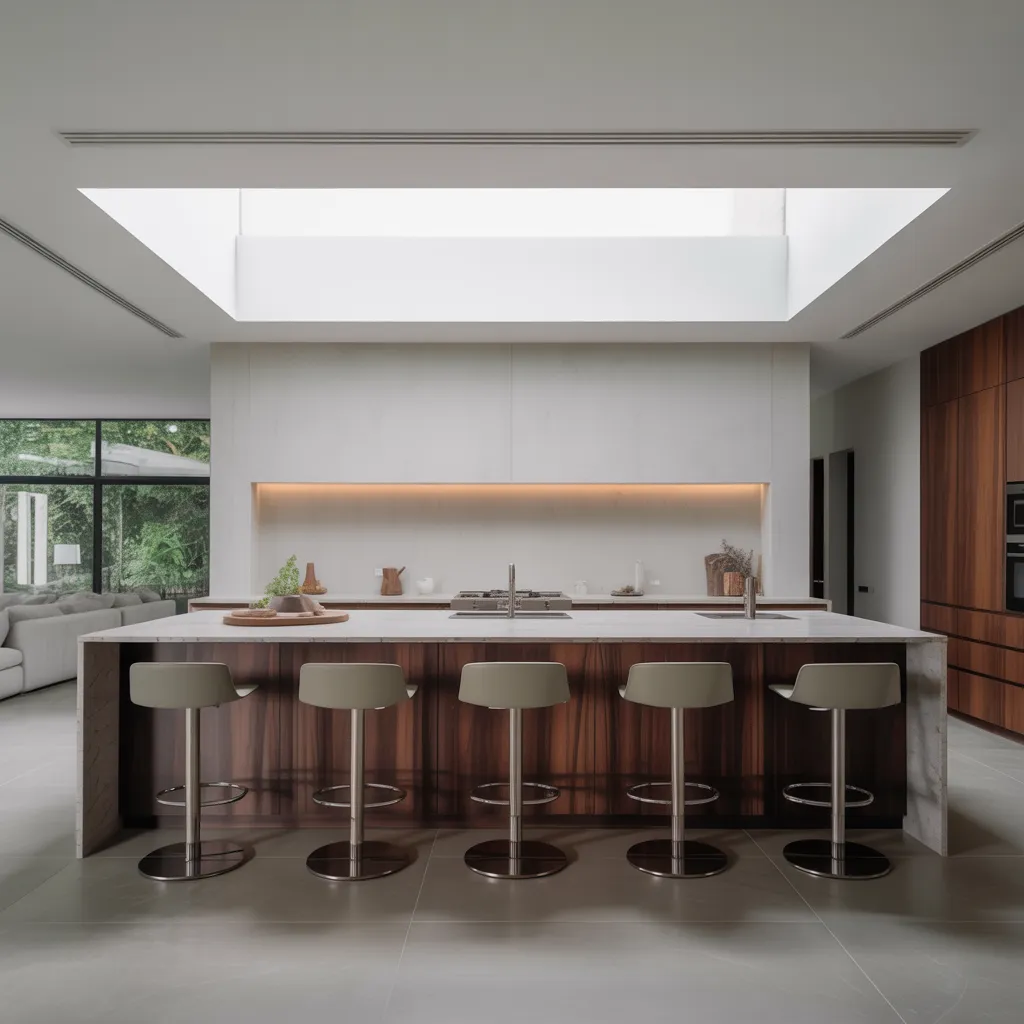
Rooflights represent architectural features developed to channel natural light into a building from above. They are usually installed in flat or pitched roofs and can vary in size, shape, and design. Rooflights serve multiple purposes, including improving the aesthetic appeal of a space and enhancing energy efficiency by lowering reliance on artificial lighting.
These installations can be permanent or movable, providing ventilation as well as light penetration. Made from materials such as glass or polycarbonate, rooflights can moreover be engineered to decrease heat loss and glare. Moreover, they can be blended with diverse architectural styles, from traditional to modern, contributing to the overall character of a building.
When thinking about rooflights, aspects such as positioning, size, and orientation are critical for maximizing their benefits. Ultimately, rooflights not only light up interiors but also establish a more welcoming and comfortable atmosphere within any property.

Understanding Skylights: Definition and Overview
Skylights are roof openings designed to permit natural light into a space, enhancing both functionality and aesthetics. They exist in numerous types, each delivering unique features and aspects for installation. Grasping these aspects is vital for making well-informed determinations about adding skylights into architectural plans.
Types of Skylights
Any space is enhanced by natural light, making skylights a well-liked architectural feature. Skylights come in various types, each designed to serve different aesthetic and functional purposes. Fixed skylights are non-movable and offer abundant daylight but cannot be opened. Ventilated skylights, conversely, can be opened to improve airflow, making them ideal for kitchens and bathrooms. Tubular skylights are space-saving and created to capture sunlight through a reflective tube, perfect for compact or hard-to-reach areas. Lastly, solar-powered skylights integrate energy-efficient technology, permitting automated opening and closing. Each type offers distinct advantages, making it important for homeowners to assess their specific needs when deciding on the right skylight for their space.
Perks of Skylights
The integration of skylights into architectural design offers numerous benefits that enhance both the functionality and aesthetic appeal of a space. Skylights enable natural light to flood interior zones, reducing the demand for artificial lighting during daylight hours and supporting energy efficiency. This stream of sunlight can enhance mood and well-being, creating a more appealing atmosphere. Moreover, skylights can deliver ventilation, helping to regulate indoor temperatures and enhance air quality. From an architectural standpoint, they add visual interest and can convert otherwise dark or cramped spaces into open, airy environments. By strategically situating skylights, homeowners can accentuate architectural features and elevate the overall design, making them a valuable addition to any residential or commercial building.
Key Installation Factors
When evaluating the installation see information on this of skylights, it is important to assess various factors that affect their effectiveness and integration into a building's design. The orientation and pitch of the roof play critical roles in determining how much natural light enters a space. Moreover, selecting the suitable type of skylight—fixed, vented, or tubular—can influence ventilation and energy efficiency. Proper flashing and sealing during installation are essential to prevent leaks and ensure durability. It is also important to account for local building codes and regulations, which may define specific requirements for skylight installation. Furthermore, the aesthetic alignment with the overall architectural style of the home should not be ignored, as this supports both functionality and visual appeal.
Core Design Disparities
When exploring the key design disparities between rooflights and skylights, multiple factors deserve attention. Installation methods can differ considerably, affecting both practical aspects and aesthetics. Furthermore, the functional elements of each type play an essential role in establishing their suitability for particular spaces.
Installation Procedures Outlined
Installation methods for rooflights and skylights reveal significant design differences that impact both functionality and aesthetics. Rooflights are generally incorporated within the roof structure during construction, requiring accurate alignment with rafters and a water-resistant seal to avoid leaks. Their installation often involves cutting into the roof's existing framework, which may demand additional structural support. In contrast, skylights can be installed in existing roofs, providing more flexible placement. They are usually installed within the roof's surface, demanding less alteration of the underlying structure. While both options demand meticulous planning and professional installation to guarantee energy efficiency and durability, the distinctions in their installation processes can affect the overall design and application of natural light in a space.
Aesthetic Elements
Though both rooflights and skylights work to enhancing natural light in a space, their aesthetic considerations reveal distinct design differences. Rooflights usually feature a rather streamlined, minimalist design, often flush with the roofline, which permits a seamless integration into modern architectural styles. They can be tailored in shape and size to enhance the overall design of the building. In contrast, skylights generally protrude from the roof, creating a more noticeable visual element. This can add character to traditional or eclectic styles but may interfere with the sleek lines of contemporary designs. Furthermore, the framing and materials used in both options can considerably influence their visual impact, further setting apart these two types of light-enhancing features.
Primary Functional Differences
While both rooflights and skylights are created to improve natural light, their functional variations set them apart concerning application and efficiency. Rooflights are generally installed on flat roofs, delivering a seamless integration that maximizes light penetration without sacrificing structural integrity. They often feature a more solid frame, providing for better insulation and weather resistance. Conversely, skylights are usually mounted on sloped roofs, designed to capture sunlight at different angles. This design makes them ideal for spaces requiring additional ventilation, as many skylights can be opened. Ultimately, the choice between rooflights and skylights hinges on specific architectural demands, with rooflights prioritizing light and energy efficiency, while skylights concentrate on ventilation and aesthetic versatility.
Key Installation Factors
While choosing rooflights or skylights, correct installation is crucial to guarantee top performance and longevity. The installation approach for both options differs, necessitating specific expertise and meticulous attention. Rooflights usually involve more complex structural modifications, as they are constructed to be flush with the roofline, needing precise alignment with rafters and water-sealing measures. On the other hand, skylights can be simpler to install, often needing only an opening in the roof with correct flashing to stop leaks.
Additionally, the decision of materials, such as glass or acrylic, affects installation techniques and durability. It is vital to consult with professionals knowledgeable in rooflight and skylight installations to confirm compliance with local building codes. Proper sealing and flashing are essential to prevent water ingress and insulation complications. In the end, careful installation practices contribute significantly to the overall effectiveness and lifespan of either option in boosting natural light within a home.
Energy Efficiency and Insulation
When choosing between rooflights and skylights, energy efficiency and insulation are crucial considerations when choosing between rooflights and skylights, as both can considerably impact a building's overall energy consumption. Rooflights typically provide superior insulation owing to their design and materials, which often include double or triple glazing that minimizes heat loss. This feature assists in maintaining pleasant interior temperatures and reduces dependency on heating and cooling systems.
On the other hand, skylights, while offering natural light, may not always prioritize insulation, particularly when they are single-glazed. This can result in energy inefficiencies, which means higher utility bills. That said, advancements in skylight technology, including low-emissivity (Low-E) coatings and insulated frames, have enhanced their energy performance.
Ultimately, the decision between rooflights and skylights should consider the unique climate and energy efficiency targets of the home, as well as the insulation properties of the selected product. Appropriate installation also plays a crucial role in achieving optimal energy performance.
Aesthetic Value and Custom Options
Design considerations hold substantial weight in the decision between rooflights and skylights, as both options can enhance the visual appeal of a space. Rooflights typically offer a stylish, current look, seamlessly integrating with contemporary architecture. Their minimalistic design enables an unobtrusive addition to the roofline, providing a clean aesthetic. Conversely, skylights can create a more traditional charm, especially when complemented by decorative elements.
Another key factor is customization. Rooflights are customizable in size and design to match particular design needs, presenting greater flexibility for distinctive architectural elements. Skylights typically feature multiple styles, including vented, fixed, and tubular choices, enabling homeowners to opt for designs that suit their vision. Both selections provide a blend of functionality and style, in the end enhancing the overall ambiance of a home while permitting personal expression in design.
Cost Assessment and Budget Planning
Budget considerations are key when deciding between rooflights and skylights, as homeowners must consider both starting expenses and future returns. Rooflights typically feature a higher upfront cost due to their custom engineering and mounting specifications. This can include greater structural modifications to ensure proper support and durability. Alternatively, skylights generally feature lower setup costs, making them a more wallet-friendly option at first.
Nonetheless, ongoing costs may fluctuate substantially. Rooflights often provide superior energy efficiency, which may lead to lower temperature regulation expenses over time. Skylights may demand extra insulation or protective features to minimize heat loss, which can raise maintenance costs. Finally, homeowners should evaluate their budget not only for implementation but also for upcoming energy savings and maintenance, guaranteeing they select the option that best aligns with their financial objectives and residential design goals.
Frequently Asked Questions
Can Rooflights and Skylights Be Used Interchangeably?
Rooflights and skylights should not be used interchangeably, as they fulfill different functions and designs. Rooflights generally provide daylight, while skylights frequently improve airflow. Comprehending these variations is essential for successful architectural planning.
What Kind of Maintenance Do Rooflights and Skylights Need?
Rooflights and skylights require regular cleaning to avoid dirt collection, as well as regular inspections for leaks or damage. Seals and flashing must be examined and maintained to ensure peak performance and longevity of the installation.
Can Rooflights and Skylights Be Used in Any Climate?
Rooflights and skylights work well across diverse climates, but certain designs and materials are necessary for maximum performance. Professional installation and attention to area climate factors will boost their effectiveness and longevity in varied climates.
How Do Rooflights and Skylights Impact Indoor Temperature?
Roof windows and skylights can substantially impact indoor temperature. They can increase heat gain in warmer months and supply warmth during colder months, affecting overall energy efficiency and comfort levels within a home's indoor space.
What Materials Work Best for Rooflights and Skylights?
The ideal materials for rooflights and skylights typically include tempered glass, acrylic, and polycarbonate. These choices offer excellent insulation properties, UV resistance, and durability, maximizing both energy efficiency and durability in different weather conditions.